

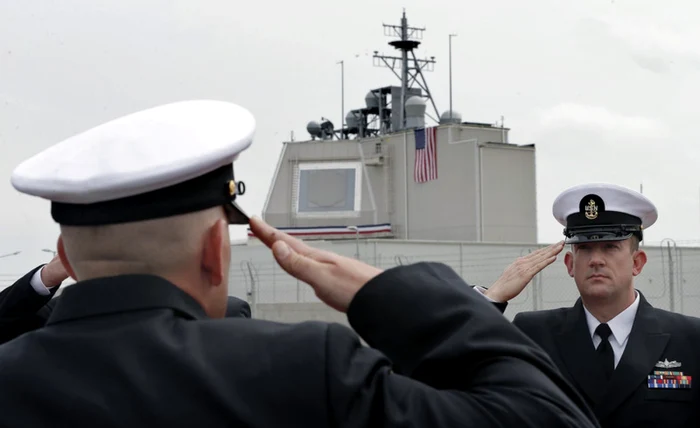
Influence of Conflict on the Deveselu Shield
The Deveselu shield, a vital component of NATO’s missile defense in Europe, could be significantly impacted by a conflict between the USA and China. In the event of escalating tensions, the strategic importance of the shield increases, becoming a central element in the defense architecture of the Western alliance. Deveselu not only protects European allies, but also serves as a symbol of the United States’ commitment to European security, making it a potential target in the case of a global conflict.
In such a scenario, the shield might face heightened threats, not only from possible direct attacks but also through cyber attacks aimed at compromising defense systems. Furthermore, in the event of a conflict, Deveselu could emerge as a critical point for the deployment of additional troops and equipment, potentially leading to an increased military presence in the region. This could raise additional concerns among the local population and may require enhanced security measures.
Moreover, any deterioration in relations between major powers could result in a reassessment of military strategies and defense priorities in the region. Romania, as the host of the shield, might need to adjust its foreign and security policy to address new challenges while maintaining a delicate balance between its international commitments and national security. This could involve not only military aspects but also diplomatic and economic considerations, given the current global interdependencies.
Romania’s Role in Global Geopolitics
Romania holds a strategic position within the global geopolitical context, located at the crossroads of Eastern Europe and the Balkans, with direct access to the Black Sea. This positioning grants it an important role in regional stability and security, as well as in relations between major powers. As a member of NATO, Romania has taken an active role, contributing to various missions and military operations while providing essential logistical and infrastructural support, such as the Deveselu base.
In addition to its military contributions, Romania also plays a significant role in international diplomacy, being a strong supporter of European integration and the transatlantic partnership. In light of global tensions, Romania has sought to maintain a balance between its relations with the United States, its main security ally, and its economic and political ties with the European Union and other regional states.
In facing current challenges, Romania must carefully navigate between various geopolitical interests and influences. This requires not only strengthening defense capabilities and international cooperation but also adapting internal policies to the new realities of global security. Romania faces the challenge of protecting its national interests while actively contributing to international stability and security, positioning itself as a reliable and predictable actor in international relations.
Involvement of Allies in International Disputes
As international tensions rise, the involvement of allies becomes crucial for managing disputes and maintaining the balance of power globally. International alliances, such as NATO, play a vital role in coordinating collective responses to security threats, ensuring that no country faces complex challenges alone. In this context, collaboration among allies extends beyond military aspects to include economic, political, and diplomatic dimensions.
The United States, holding a dominant position within NATO, works closely with its European allies to develop joint strategies that counter the growing influence of China and other emerging powers. This collaboration is essential for ensuring effective defense and deterring any acts of aggression that could threaten global stability. At the same time, member states are encouraged to enhance their defense capabilities and contribute to collective security efforts.
Allied involvement in international disputes is also manifested through participation in joint military exercises, information sharing, and the development of advanced technologies to improve the interoperability of armed forces. These measures not only strengthen collective defense capabilities but also convey a clear message of unity and solidarity in the face of external threats.
Furthermore, international alliances facilitate dialogue and cooperation aimed at peacefully resolving conflicts, promoting stability and security on a global scale. Through consultation and coordination mechanisms, allies can effectively address global issues such as terrorism, the proliferation of weapons of mass destruction, and climate change, demonstrating that a collective approach is
Possible Scenarios for the Future of Regional Security
crucial for maintaining international peace and security.
In the event of a potential confrontation between major powers, regional security in Eastern Europe could experience significant changes. One possible scenario may involve an increased NATO military presence in the region as a deterrent and protective measure against potential threats. This could entail the deployment of new troops and equipment, as well as more frequent joint military exercises aimed at enhancing the alliance’s rapid response capability.
Another possible scenario could see heightened economic and political tensions among states in the region, as they seek to protect their national interests in the context of a global conflict. This might lead to a reassessment of regional alliances and partnerships, with states having to adjust their strategies to meet new security challenges.
Additionally, there could be an intensification of diplomatic efforts to prevent the escalation of conflicts and to find peaceful solutions to existing tensions. States in the region may enhance dialogue with major powers and international organizations in an effort to maintain regional stability and security. These diplomatic efforts could include negotiations, mediation, and active participation in international forums dedicated to security and cooperation.
Ultimately, a more pessimistic scenario might involve the destabilization of certain states in the region, due to external influences and internal economic and social pressures. In such a context, there could be heightened risks of internal conflicts and forced migration, which would threaten not only the stability and security of the region but also that of Europe as a whole. In this case, it would be necessary to take measures
Sursa articol / foto: https://news.google.com/home?hl=ro&gl=RO&ceid=RO%3Aro