

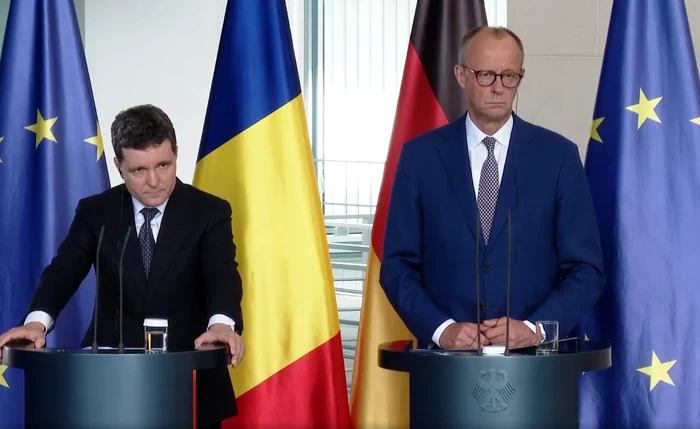
Influence of the German Plan on the Romanian Economy
The plan initiated by Germany, aimed at restructuring several key economic sectors, has significant implications for the Romanian economy. In the context of a globalized economy, the decisions made by major European players, such as Germany, can have domino effects on their trade partners. In Romania’s case, this plan particularly impacts the export-oriented sectors, which largely rely on partnerships with German companies. The automotive industry, for example, which serves as a central pillar of the Romanian economy, may experience a decline in demand from Germany, leading to a reduction in production and consequently, negative effects on jobs and income.
Moreover, the regulatory changes concerning carbon emissions and the transition to renewable energy sources, which are top priorities of the German plan, pose additional challenges for Romanian companies. They are compelled to invest in greener technologies, which entails extra costs and necessitates adapting existing infrastructure. Without adequate investments and support from authorities, the competitiveness of Romanian firms in the European market could be seriously jeopardized.
Furthermore, changes in tax policy and energy subsidies proposed by Germany could impact production costs in Romania. If Germany opts to gradually phase out subsidies for fossil fuels, this could lead to increased energy prices, thereby affecting the Romanian industrial sectors that depend on these resources. In this context, Romania must develop effective strategies to mitigate the impact of these changes and strengthen its economic relationships with other international partners.
Behind Closed Doors Negotiations in Brussels
Behind the closed doors in Brussels, negotiators from various EU member states, including Romania, have engaged in intense discussions regarding Germany’s plan. These negotiations have been marked by a series of heated debates, where each country has articulated its concerns and interests. Romania, represented by delegates experienced in economic and environmental policies, has sought to emphasize the importance of balancing ecological ambitions with the economic needs of member states reliant on traditional industries.
A central point of these negotiations was Germany’s proposal to expedite the transition to renewable energy, a measure that, although well-intentioned from a sustainability perspective, raises adaptability issues for less developed economies. The Romanian delegation emphasized the need for substantial financial and technical support to achieve this transition, stressing that without such support, Eastern European countries could incur significant economic losses.
In addition, discussions addressed the labor market impact, particularly in sectors that could be affected by the new regulations. Romania argued that solutions must be found to enable the professional reskilling of the workforce while ensuring social stability. Romanian officials proposed the creation of a European fund designated for this transition, aimed not only at technological adaptation but also at providing social protection for employees in vulnerable sectors.
Ultimately, the negotiations highlighted the differing visions among member states as well as the collective desire to find solutions that do not leave any country behind. Although complete consensus was not achieved, discussions represented an important step toward formulating a cooperation framework that considers the specificities of each member state.
Responses of Romanian Authorities to the German Plan
The responses of Romanian authorities to the German plan have varied, fluctuating between concern and calls for European collaboration. The Romanian Ministry of Economy emphasized that while it understands Germany’s ecological objectives, it is essential that these are implemented in a manner that does not harm the more vulnerable economies within the European Union. Romanian officials insisted that the transition to a green economy must be supported by an adequate financing plan to help member states meet the new requirements without sacrificing economic stability.
Simultaneously, the Ministry of Environment highlighted the importance of quickly adapting to the new environmental standards, but urged that measures be implemented gradually, allowing Romanian companies to align without bearing insurmountable costs. Additionally, there was discussion regarding the need for the European Union to provide technical support and consultancy in the implementation of green technologies, ensuring an efficient and equitable transition.
On a political level, leaders in Bucharest called for European solidarity, emphasizing that the success of the German plan relies on the cooperation of all member states. In public statements, they underscored the necessity to consider the particularities of each economy and establish compensation mechanisms for countries that might be more adversely affected by the proposed changes.
Moreover, there were voices warning of the risk of Romania being marginalized in European discussions if it does not actively engage in negotiations and propose concrete solutions. In this context, Romanian authorities have been urged to strengthen their position within the European Union and collaborate with other states sharing similar concerns in order to form
Future Perspectives for Romanian-German Relations
Romanian-German relations are at a turning point, and their future will depend on how both countries manage to align their economic and political interests. In light of the German plan, which has generated multiple reactions, there are collaboration opportunities that can be harnessed to strengthen bilateral ties. For instance, Romania can benefit from Germany’s technological expertise and innovations to modernize its infrastructure and develop a green industry. This could involve partnerships in the field of renewable energy, where German companies could invest in projects in Romania, thereby contributing to job creation and sustainable development.
On the other hand, it is crucial for Romania to strengthen its position within the European Union by promoting constructive dialogue with Germany and other member states. This approach could facilitate the identification of balanced solutions that take into account the economic needs of both parties. At the same time, Romania could expand its collaborations in areas such as research and development, education, and vocational training, where the exchange of experiences and best practices could yield benefits for both countries.
Additionally, political dialogue must remain open and focused on finding pragmatic solutions to common challenges. Diplomatic initiatives and high-level meetings should continue, aiming to establish common strategies that support both environmental and economic objectives. By fostering close cooperation and effective communication, Romania and Germany can build a successful partnership that contributes to the stability and prosperity of the region.
Sursa articol / foto: https://news.google.com/home?hl=ro&gl=RO&ceid=RO%3Aro