

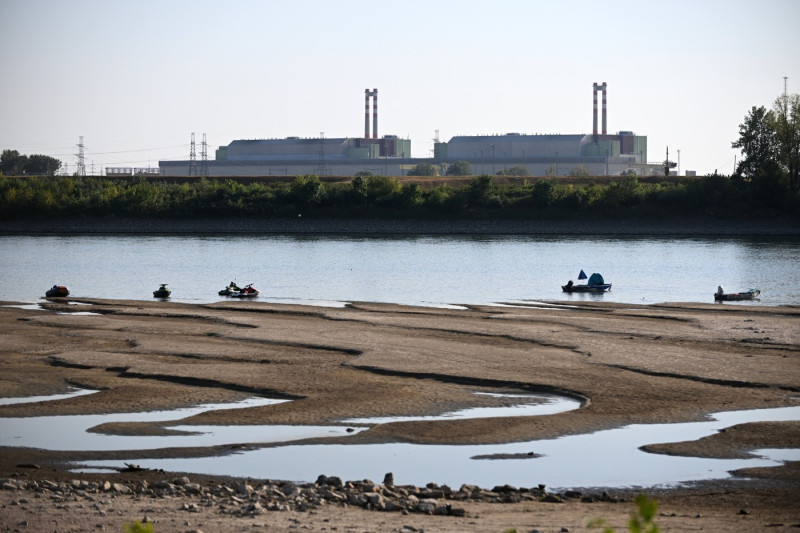
Influence of Drought on River Transport
The extreme drought that recently hit Europe has had a significant effect on river transport, especially along the Danube and Rhine rivers. Water levels have drastically decreased, exposing sandbanks and reducing the depth of navigable channels, leading to severe restrictions on the carrying capacity of vessels. Carriers have been forced to reduce their loads to navigate safely, resulting in higher costs and delays in cargo delivery. In some instances, river traffic has been completely halted, blocking essential transport routes and impacting regional supply chains. This situation has highlighted the vulnerability of river transport infrastructure to climate changes and the urgent need for adaptation to new weather conditions.
Economic Consequences of Water Level Decline
The drop in water levels on the Danube and Rhine rivers, due to the prolonged drought, carries severe economic implications for the regions and industries reliant on these waterways. Firstly, transportation costs have spiked significantly, as vessels are compelled to operate below their maximum capacity, and some goods require redirection to other, more expensive, and less efficient routes. This has led to increased prices for transported goods, which directly affects final prices for consumers.
The energy sector is also heavily impacted, as many thermal and nuclear power plants depend on water for cooling. The reduction in river flow has caused temporary shutdowns or decreases in production capacity, contributing to rising energy prices and market instability. Additionally, the agricultural and industrial production sectors, which use water for irrigation and technological processes, face major challenges, affecting production and consequently, exports.
In the context of global supply chains, delays and blockages on river routes have a domino effect, disrupting deliveries of raw materials and finished products to international markets. This trade disruption intensifies pressure on local economies and financial markets, increasing the risk of recession in regions already affected by other economic crises. In conclusion, the economic impact of lowered water levels is felt on various fronts, underscoring the need for rapid and effective solutions to minimize long-term negative effects.
Emergency Measures for Environmental Protection
In response to the challenges posed by declining water levels, authorities and environmental organizations have implemented a range of emergency measures to protect affected ecosystems and mitigate environmental impact. An essential first step has been the continuous monitoring of water levels and quality, utilizing advanced technologies and collaborating with experts in hydrology and ecology. This monitoring allows for rapid response to critical changes and aids in adjusting intervention strategies.
Moreover, awareness campaigns have been initiated to inform and sensitize the public and industrial sector about the importance of water conservation and responsible use of available resources. Temporary restrictions on water use for non-essential activities have been enforced in certain regions, and companies have been encouraged to adopt more water-efficient technologies.
To support biodiversity and protect natural habitats, projects for wetland restoration and rehabilitation of affected waterways have been launched. These projects include replanting native vegetation and restoring riverbanks to facilitate the migration of aquatic species and maintain ecological balance.
Another crucial aspect of emergency measures is international collaboration, given that the Danube and Rhine rivers cross multiple countries. Partnerships between riparian states are vital for coordinating water resource management efforts and developing common environmental protection policies. Such collaborations also facilitate the exchange of best practices and technological innovations that can help reduce the impact of drought.
Climate Perspectives and Sustainable Solutions
Climate change poses a major challenge for the future of the Danube and Rhine rivers, and sustainable solutions are essential for ensuring the viability of these waterways and adjacent ecosystems. Firstly, developing integrated water resource management strategies that take into account climatic variability and allow for rapid adaptation to extreme weather conditions is crucial. This involves investments in water infrastructure, such as dams and retention systems, to help maintain optimal water levels during drought periods.
Additionally, promoting sustainable agricultural practices and efficient irrigation technologies can significantly reduce water consumption and contribute to the conservation of water resources. Supporting research and innovation in precision agriculture and drought-resistant crops is crucial for achieving a more sustainable and less water-dependent agriculture.
Furthermore, transitioning to renewable energy sources can lessen dependence on thermal and nuclear plants, which require large amounts of water for cooling. Investments in solar, wind, and hydro energy, along with the development of energy storage technologies, can help create a more resilient energy system that is less vulnerable to climate change.
International cooperation and knowledge exchange are also critical for addressing climate challenges. The riparian states of the Danube and Rhine must collaborate to develop common policies and transboundary projects aimed at protecting and restoring river ecosystems. This includes sharing data and innovative technologies, as well as implementing educational programs to raise awareness about the importance of environmental protection.
Sursa articol / foto: https://news.google.com/home?hl=ro&gl=RO&ceid=RO%3Aro